
 © PhotocechCZ/shutterstock.com
Overview
India is a mega-diverse country, with 7–8% of the world’s known biodiversity. It is home to over 91,200 species of animals and 45,500 species of plants. The country is estimated to support about 70% of the global tiger population, 60% of the Asian elephant population, 70–80% of the greater one-horned rhino population, 100% of the Asiatic lion population, and 10–15% of the global snow leopard population. According to the India State of Forest Report 2023, India has a forest cover of 21.76% of its total geographical area and 1,135 Protected Areas, including National Parks, Wildlife Sanctuaries, Conservation Reserves, and Community Reserves.
However, India’s wildlife and their habitats face multiple threats, including habitat loss, fragmentation, and land-use change driven by urbanisation, infrastructure development, industrial activities, extractive operations, and agricultural intensification. Pressures on natural resources—through unsustainable extraction and climate change—degrade forests, grasslands, and other natural ecosystems. Human-wildlife conflict remains a complex challenge, with severe consequences for both communities and wildlife. Poaching and illegal wildlife trade continue to threaten populations, increasing the extinction risk of rare and endangered species. Additionally, the prevalence and spread of wildlife diseases, as well as the risk of zoonotic spillover, remain poorly understood.

OUR WORK – WILDLIFE & HABITATS
The key pillars of WWF-India’s Wildlife and Habitat Programme focus on leveraging direct and indirect interventions to protect and manage imperilled species and their habitats, secure ecological connectivity, influence land-use and infrastructure planning, strengthen local stewardship and governance, and manage human-wildlife conflict. To achieve impactful conservation through these pillars, the programme also actively works to integrate climate change considerations into planning and policy, embed agro-ecological approaches to advance conservation in human-dominated landscapes, and strengthen partnerships with diverse agencies and stakeholders to mainstream nature and conservation.

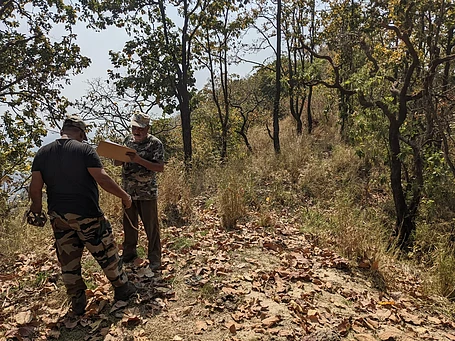
KEY PILLARS OF OUR WORK:
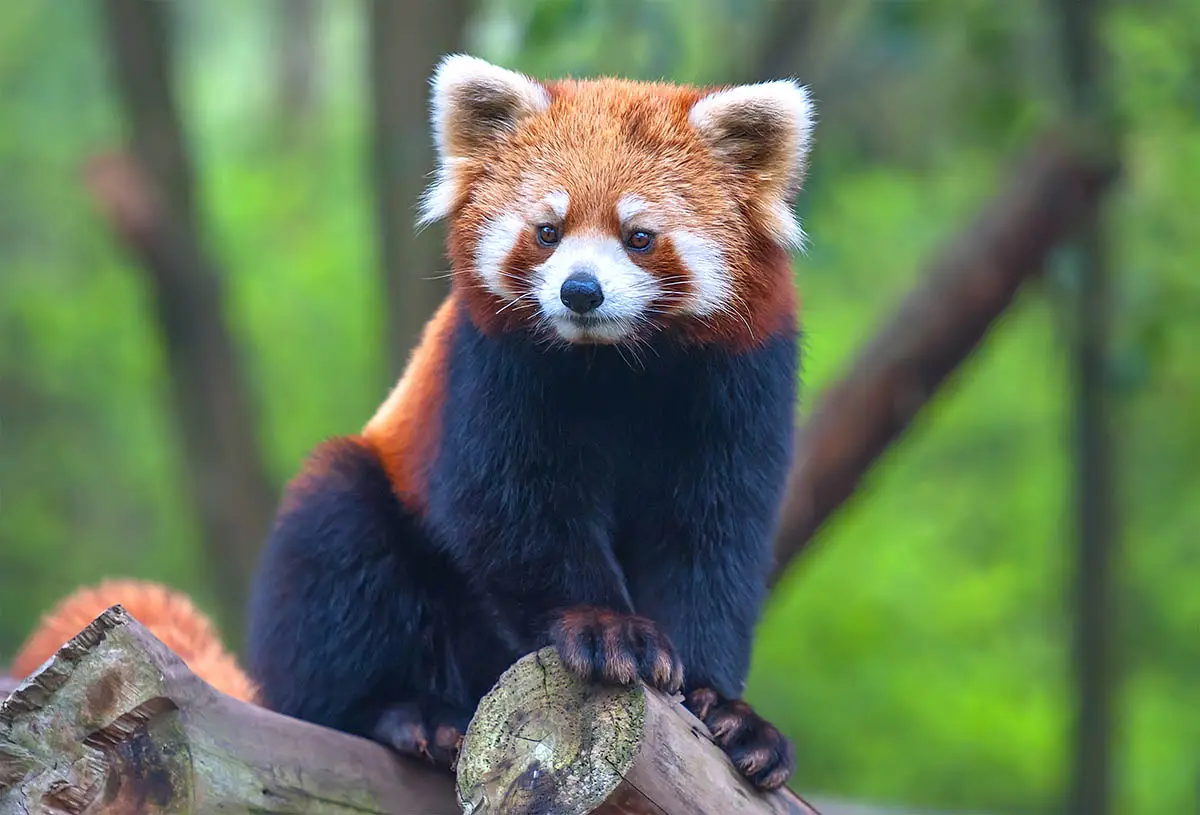
WWF-India takes a multifaceted approach to support the recovery and range expansion of threatened species where ecologically and socially viable. It also collaborates with state forest departments and other stakeholders to pilot and implement scalable habitat restoration and management models, monitor priority species such as tigers, snow leopards, elephants, rhinos, Nilgiri tahr, and red pandas, and reverse local extinctions through measures like translocations.
WWF-India also focuses on strengthening wildlife protection by building capacity and supporting frontline forest staff to enhance morale and effectiveness. More recently, WWF-India has implemented strategies to assess and manage disease prevalence in livestock and feral animals near key wildlife habitats.
WWF-India works to secure structural and functional connectivity for wildlife through evidence-based corridor conservation planning and management. Strategies include strengthening protection and management in key corridors, using robust data to map corridors, delineate boundaries, and assess functionality, and proactively working with development agencies to minimise linear infrastructure impacts by integrating wildlife priorities into site selection, alignment, and project mitigation measures.
WWF-India is committed to strengthening corridor conservation by partnering with communities and institutions to improve stewardship of both private lands and commons within corridors. This is particularly important in agriculture-forest mosaics, where land restoration, land use, human-wildlife conflict, and climate adaptation intersect with connectivity conservation. WWF-India also actively contributes to and serves on the Steering Committee of the Coalition for Wildlife Corridors, a multi-NGO initiative promoting science-based connectivity conservation in India.
WWF-India collaborates closely with state and national infrastructure development authorities to ensure the implementation of safeguards for linear infrastructure in priority wildlife corridors and habitats. The organisation also works to integrate wildlife connectivity considerations into zonal, regional, and urban master plans. Additionally, WWF-India conducts studies to assess the impacts of mining on biodiversity and develops strategies to mitigate these threats.
WWF-India works through a community-led conservation approach to manage and govern priority conservation areas. It has helped establish Community Conserved Areas (CCAs), allowing the local communities to conserve local resources while preserving traditional knowledge and cultural values, often outside formal government protection. Similarly, WWF-India has supported the implementation of the Forest Rights Act, particularly the provisions related to Community Forest Rights and Community Rights.
WWF-India employs the ‘Production Landscape’ approach, which helps enable engagement with smallholder farmers to secure agro-forest mosaics in landscapes for the conservation of wildlife corridors and connectivity. By strengthening local stewardship, communities take pride in and assume responsibility for protecting their natural and cultural heritage. This approach also mainstreams the conservation actions in Panchayati Raj Institution plans and development funds and schemes, which are leveraged to demonstrate and scale conservation-linked livelihoods.
WWF-India adopts a multi-layered approach, combining policy engagement with collaborative, participatory, and inclusive processes to manage human-wildlife conflict (HWC) and promote coexistence. The focus is on strengthening systems and processes for durable, institutionalised HWC management. WWF-India conducts in-depth assessments of conflict drivers, along with communities’ willingness and capacity to share space with wildlife, to inform strategies and interventions co-implemented with partners. It implements scalable, innovative techniques—such as early warning systems, community-maintained low-cost barriers, and community-based monitoring to manage HWC. These efforts reduce impacts on both people and wildlife while fostering attitudes and practices that support long-term coexistence.
Efforts have focused on reducing both the tangible and intangible costs of conflict through targeted interventions, such as timely ex gratia payments to affected households, while working with stakeholders to expand and improve access to insurance programmes. Additional measures include livelihood support to reduce vulnerabilities and strengthening innovation and capacity for effective management of the human-wildlife interface—through wildlife capture and rescue, facilitating inter-agency coordination, and training and equipping quick response teams.
Featured Species


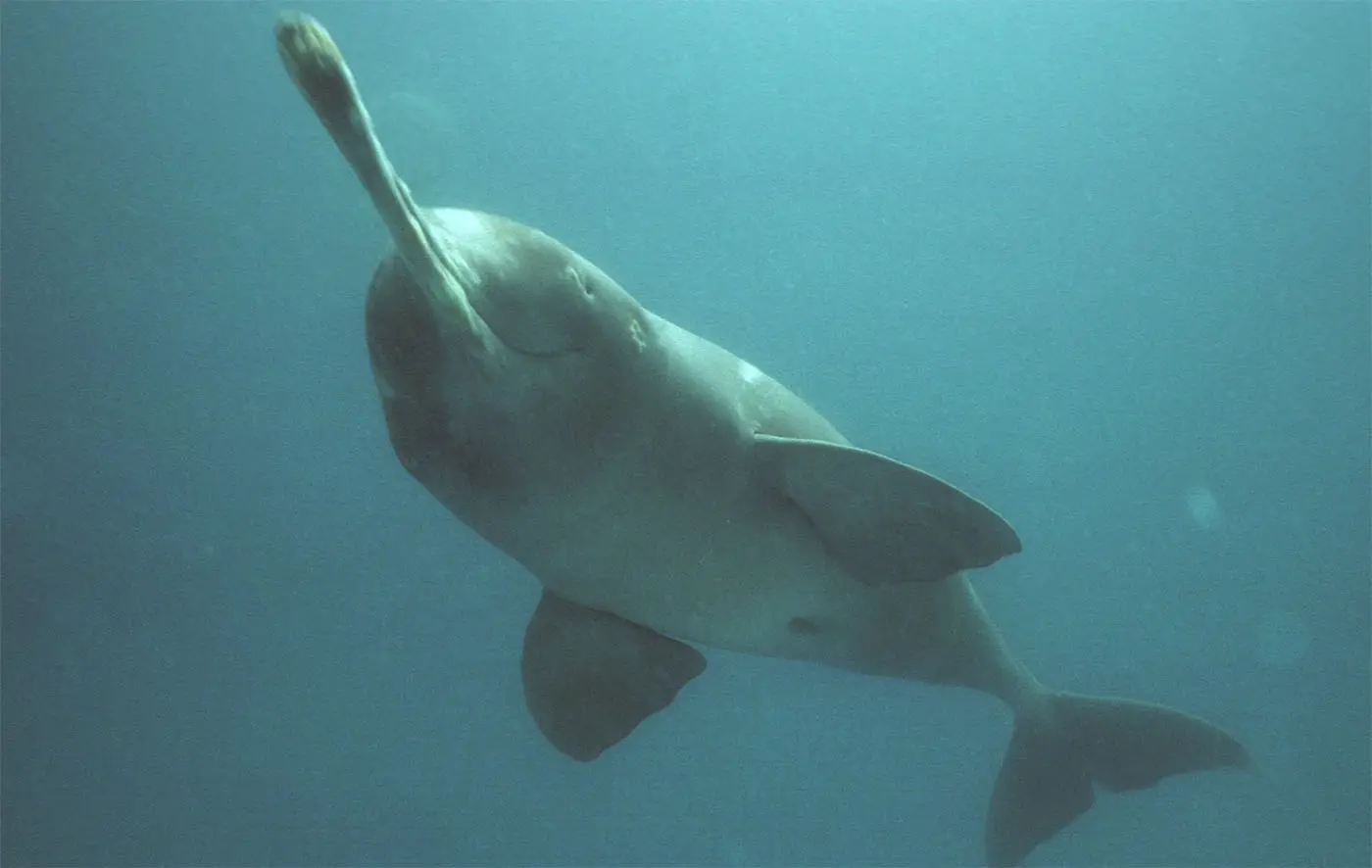


 © shutterstock.com
Support Conservation
Your contribution helps us in protecting wildlife, restoring habitats and building a better future for people and nature.
Donate